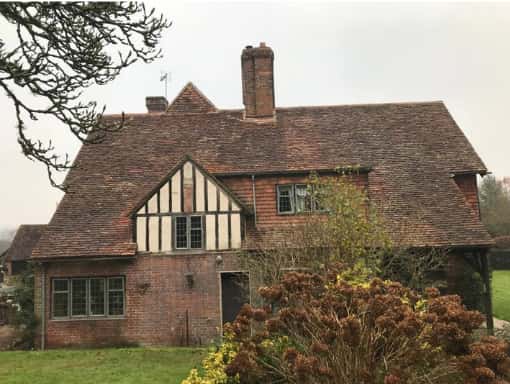
Pitched roofs are designed to protect properties from rain, wind and changing weather conditions. Their sloping structure helps water drain away efficiently, while tiles or slates provide a protective outer covering. However, even a well-installed roof can develop problems as materials age and remain exposed to the elements.
Small defects can gradually affect the roof’s ability to keep water out, potentially leading to damp patches, damaged timbers and other internal issues. Understanding the common problems that affect pitched roofs can help homeowners recognise early warning signs and arrange suitable repairs.
For property owners in Uckfield, East Sussex, regular roof maintenance and timely attention to defects can help preserve the condition and performance of their roofing system.
Common Problems Found on Pitched Roofs
Slipped, Cracked or Broken Roof Tiles
Roof tiles can become damaged through prolonged weather exposure, impact from falling branches or deterioration of their fixings. Individual tiles may crack, break or slip out of position, leaving gaps in the roof covering.
Even a small opening can allow rainwater to reach the underlying felt, battens and roof structure. If the damage is not addressed, moisture may eventually affect ceilings and internal walls.
Repairs typically involve replacing broken tiles, repositioning displaced sections and checking neighbouring tiles to establish whether further deterioration has occurred.
Damaged or Deteriorating Roof Flashing
Flashing is used around vulnerable junctions, including chimneys, roof valleys and points where a roof meets a wall. It creates a protective seal that helps prevent water from entering these areas.
Over time, flashing can crack, lift, corrode or develop gaps as materials age and the roof experiences movement. Damaged mortar around flashing can also contribute to leaks.
A suitable repair may involve renewing defective flashing, repairing surrounding mortar or correcting the affected junction to restore a reliable weatherproof connection.
Blocked or Damaged Roof Valleys
Roof valleys are formed where two sloping sections meet. They channel rainwater towards the guttering, making them particularly important for effective drainage.
Leaves, moss and other debris can collect in these channels and restrict water flow. Valley linings may also deteriorate, crack or become damaged over time.
When water cannot drain properly, it may overflow beneath adjacent tiles and penetrate the roof. Clearing obstructions and repairing damaged valley materials can help restore effective drainage.
Worn or Damaged Ridge Tiles
Ridge tiles cover the highest point of a pitched roof, protecting the junction where two roof slopes meet. Traditional mortar bedding can deteriorate through weather exposure, causing cracks or loose sections.
If ridge tiles become unstable, water may enter through gaps, while individual tiles could become dislodged.
Repairs may involve renewing defective mortar bedding or using an appropriate mechanical fixing system where necessary. The surrounding ridge should also be checked to identify any additional weaknesses.
Failing Roof Underlay
The underlay beneath roof tiles or slates provides an additional layer of protection against wind-driven rain and moisture. As it ages, it can become brittle, torn or weakened, particularly around fixings and roof penetrations.
Damaged underlay may allow moisture to reach the roof space, even when the external tiles appear relatively sound.
The extent of the deterioration determines the appropriate repair. Localised defects may be addressed during other roofing work, while widespread damage may require more extensive attention.
Moss and Algae Build-Up
Moss and algae can develop on roof coverings, particularly where moisture remains for extended periods. Although some surface growth may have little immediate effect, heavy moss accumulation can retain moisture and contribute to blockages in gutters and roof drainage channels.
Moss may also affect the condition of older or already weakened tiles when it becomes established.
Careful removal using suitable methods can help reduce build-up without unnecessarily damaging the roof covering. The condition of the tiles should be checked during maintenance.
How Weather Conditions Affect Pitched Roofs
Repeated exposure to wind, rain and changing temperatures gradually affects roofing materials. Strong winds can lift tiles or loosen ridge components, while persistent rainfall can expose weaknesses around flashing, valleys and roof junctions.
Temperature changes can also cause materials to expand and contract. Over time, this movement may contribute to cracks, weakened joints and deteriorating seals.
After particularly severe weather, it is sensible to look for visible signs of damage from ground level. Any suspected defects should be assessed professionally rather than attempting to access the roof without suitable equipment.
Warning Signs That Your Roof May Need Attention
Some roofing problems develop gradually, making early signs easy to overlook. Homeowners should look out for:
- Damp patches or water staining on ceilings.
- Dripping or unexplained moisture in the loft.
- Roof tiles that appear cracked, missing or out of alignment.
- Loose ridge tiles or deteriorating mortar.
- Water overflowing from gutters during rainfall.
- Visible damage around chimneys, valleys or roof edges.
These symptoms do not always identify the exact source of a problem. Water can travel along the roof structure before becoming visible inside the property, so a thorough inspection is important.
The Importance of Professional Roof Maintenance
Regular roof inspections help identify developing defects before they lead to more extensive damage. A professional roofer can assess the condition of tiles, ridge sections, flashing, valleys and other vulnerable areas.
Where repairs are needed, addressing the underlying cause is essential. Replacing a damaged tile, for example, may not resolve a leak if the actual problem is deteriorated flashing nearby.
For homeowners in Uckfield, East Sussex, professional roofing maintenance provides a practical way to keep pitched roofs weather-resistant and identify problems before they become more disruptive.
Conclusion
Pitched roofs are built to provide long-term protection, but ageing materials, weather exposure and general wear can gradually affect their condition. Common issues include damaged tiles, deteriorating flashing, blocked valleys, loose ridge tiles and failing underlay.
Recognising warning signs and arranging appropriate repairs can help prevent moisture entering the property and protect the underlying roof structure. If your roof has developed a leak or shows signs of deterioration, Uckfield Roofing Services can help assess the problem and recommend suitable roofing work. Contact the team to discuss your requirements and keep your roof in good condition.
Call us on: 01825 705495
Click here to find out more about Uckfield Roofing Services
Click here to complete our contact form and see how we can help with your roofing needs.